

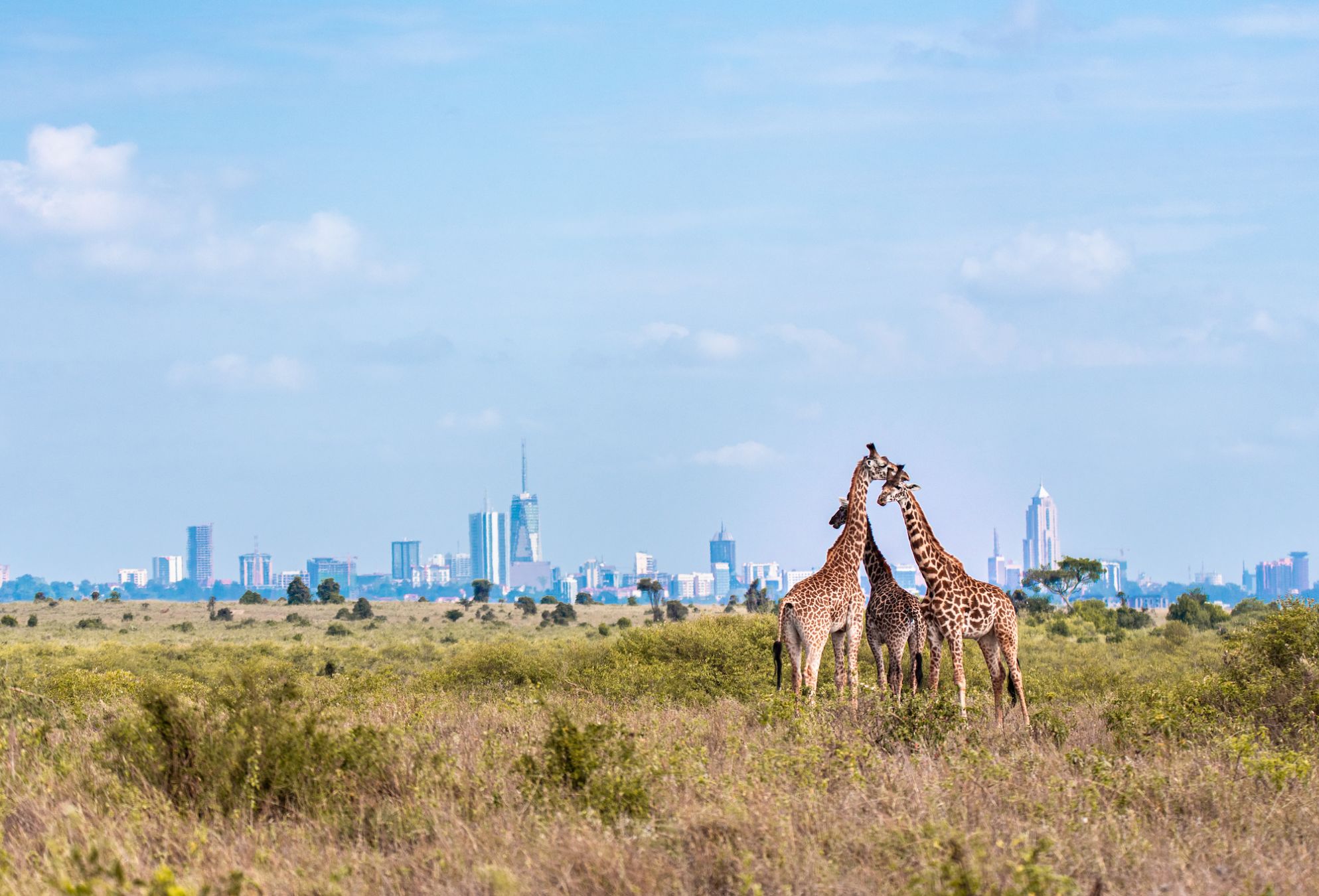
Top ten economies in East Africa highlight the region’s growing economic potential, shaped by diverse industries, natural resources, and expanding markets. Based on the estimated 2025 nominal GDP, these rankings provide a snapshot of national output across East and North-East Africa, excluding central states.
1. Kenya — $132 Billion
Kenya stands as the largest economy in East Africa, with a nominal GDP of $132 billion. Its economy is driven by finance, technology, agriculture, and manufacturing. Nairobi continues to thrive as a regional hub for trade, innovation, and investment.
2. Ethiopia — $117 Billion
Ethiopia ranks second with a GDP of $117 billion. Despite challenges, it maintains strong growth supported by agriculture, infrastructure development, and energy projects. Ethiopia’s expanding industrial parks make it a key player in regional manufacturing.
3. Tanzania — $85 Billion
Tanzania’s GDP is estimated at $85 billion, placing it third. The country benefits from natural gas reserves, mining, agriculture, and tourism, particularly its world-renowned wildlife destinations. Dar es Salaam remains an important trade port in the region.
4. Uganda — $64 Billion
Uganda comes fourth with a GDP of $64 billion. Its economy is supported by agriculture, services, and energy development, especially oil exploration. Kampala is also becoming a hub for fintech and regional trade.
5. Sudan — $32 Billion
Sudan ranks fifth at $32 billion. Despite ongoing political and economic challenges, the country relies on agriculture, gold mining, and trade as its main economic drivers.
6. Madagascar — $18 Billion
With a GDP of $18 billion, Madagascar is sixth on the list. Its economy is largely supported by agriculture, mining, and textiles, alongside growing eco-tourism.
7. Mauritius — $15 Billion
Mauritius records a GDP of $15 billion, ranking seventh. Its diversified economy includes finance, tourism, and information technology, positioning it as one of the most stable and business-friendly nations in Africa.
8. Rwanda — $14 Billion
Rwanda, with a GDP of $14 billion, continues to attract investment through reforms, infrastructure, and technology-driven policies. Kigali has emerged as a center for conferences and innovation in Africa.
9. Somalia — $13 Billion
Somalia holds the ninth position with a GDP of $13 billion. Agriculture and livestock remain the backbone of its economy, while remittances from the diaspora contribute significantly to national income.
10. Burundi — $6 Billion
Burundi closes the top ten with a GDP of $6 billion. Its economy is largely agriculture-based, with coffee and tea as key exports. Despite limited industrialization, Burundi maintains potential for growth through regional integration.
Regional Economic Outlook
Kenya, Ethiopia, Tanzania, and Uganda together account for the bulk of East Africa’s economic output. These nations continue to drive growth through industrialization, services, and infrastructure development. However, economic forecasts remain subject to internal challenges such as governance, inflation, and security issues, as well as external factors like global trade shifts and climate change.
East Africa’s economic diversity — ranging from Mauritius’s financial services to Sudan’s resource-driven economy — underscores the region’s resilience and opportunities for future growth.


