

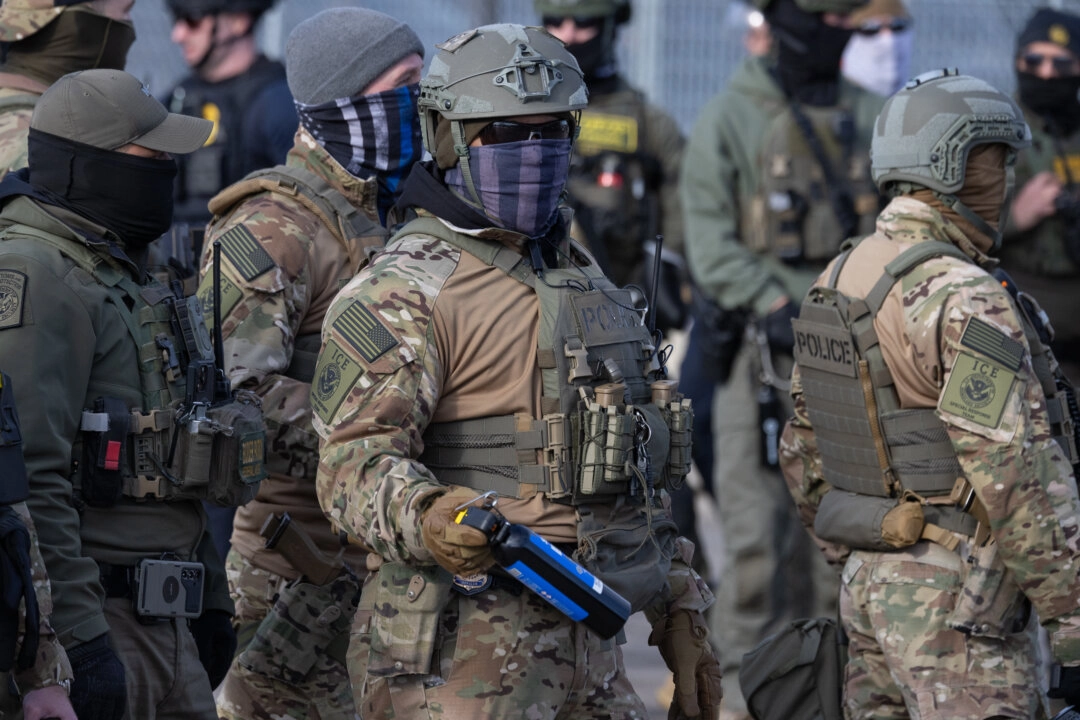
The Department of Homeland Security has urged Minnesota leaders to honor Immigration and Customs Enforcement arrest detainers tied to more than 1,360 criminal illegal aliens held in state and local custody. The request, released on January 13, says public safety suffers when local officials decline to cooperate with federal immigration authorities and release offenders back into the community.
DHS says Minnesota Governor Tim Walz and Minneapolis Mayor Jacob Frey have declined to honor detainer requests. Since Donald Trump returned to office, the department says Minnesota released nearly 470 criminal illegal aliens instead of holding them briefly for ICE transfer. DHS argues those releases force agents to make arrests in neighborhoods rather than secure facilities, increasing risks for officers and the public.
What an ICE detainer requires
An immigration detainer asks a jail or prison to hold a removable noncitizen for up to 48 additional hours after their scheduled release. The short hold allows ICE to assume custody without a community operation. Detainers also request advance notice of release so agents can plan safe transfers. DHS says refusal to honor detainers pushes enforcement into streets and homes, where encounters carry higher risk.
Operation Metro Surge in Minnesota
ICE launched Operation Metro Surge last month to locate and arrest criminal illegal aliens in Minnesota. DHS reports arrests that include offenders convicted of armed robbery, sexual assault, third-degree criminal sexual conduct, and drug crimes. Officials say the operation focuses on individuals with serious records and repeat offenses. Since the surge began, DHS claims more than 1,500 illegal aliens with violent or predatory histories have been arrested statewide.
DHS message to state and city leaders
DHS Assistant Secretary for Public Affairs Tricia McLaughlin said honoring detainers is common sense. She argued that releasing criminal illegal aliens back into communities invites harm and shifts danger onto residents and officers. DHS maintains that federal law assigns immigration enforcement to the federal government and that cooperation reduces risks and costs.
Minnesota’s lawsuit challenging the surge
On January 12, Minnesota and the cities of Minneapolis and Saint Paul filed suit against DHS. The plaintiffs ask a court to halt Operation Metro Surge and declare it unconstitutional and unlawful. The complaint says the operation diverts local law enforcement resources, strains emergency services, triggers school lockdowns, disrupts businesses, and violates residents’ rights. It also seeks limits on enforcement actions near sensitive locations such as schools, churches, and hospitals and protections for peaceful protesters.
Federal response to the lawsuit
DHS rejected the claims and criticized the lawsuit’s constitutional arguments. McLaughlin said it is inconsistent to invoke states’ rights to block federal officers from enforcing federal law, then seek federal intervention elsewhere. DHS cites the Supremacy Clause and Articles I and II of the Constitution to support federal authority over immigration enforcement.
Public safety and the sanctuary debate
The dispute reflects a broader national argument over sanctuary-style policies. Supporters say limiting cooperation protects civil liberties and fosters trust between immigrant communities and local police. Opponents say the policies release dangerous offenders and raise crime risks. DHS argues that detainers target criminal histories, not immigration status alone, and that brief holds prevent risky community arrests.
What comes next
Operation Metro Surge continues as the lawsuit proceeds. The outcome could shape how states balance local policies with federal immigration enforcement. DHS says cooperation remains the safest path. State and city leaders say courts must decide the limits. The case now stands as a test of public safety priorities, federal authority, and local autonomy.


