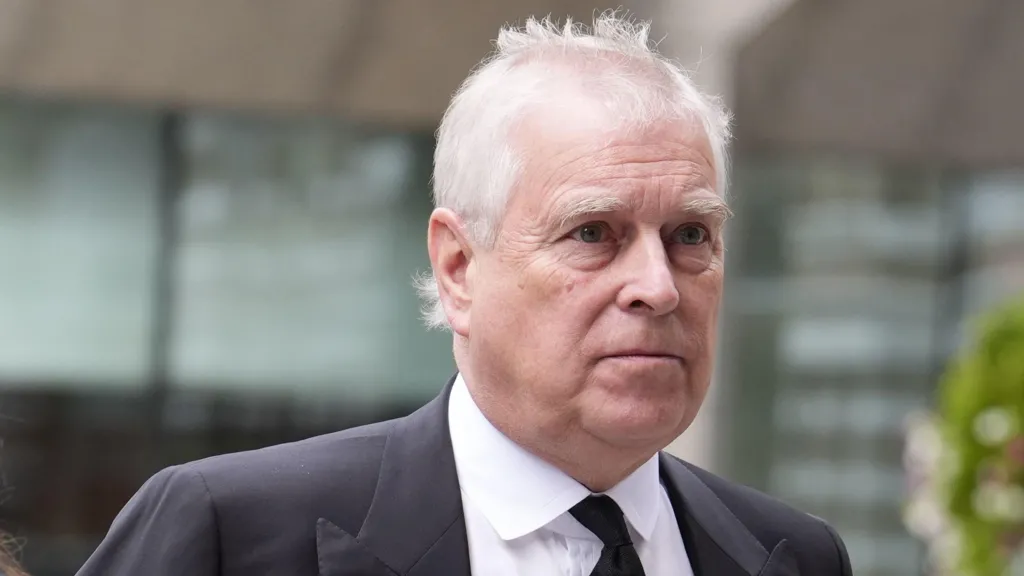
A lawyer representing Jeffrey Epstein’s survivors says a second Epstein victim alleges she was sent to the UK for a sexual encounter with Prince Andrew. The woman, who is not British, claims the incident occurred at Royal Lodge in 2010. She was in her twenties at the time. Brad Edwards, the attorney, revealed these new allegations in a BBC interview. Consequently, this marks the first claim of a sexual encounter at a royal residence by an Epstein victim. Andrew has not yet responded to this specific accusation.
The woman’s account includes distinctive details. She alleges she received a tour of Buckingham Palace and had tea after the night with Andrew. Buckingham Palace routinely records tour guests, but the BBC could not corroborate her visit without identifying her. Edwards represents over two hundred Epstein survivors globally. He previously represented Virginia Giuffre, who settled a lawsuit against Andrew in 2022. This new claim significantly escalates the legal and reputational pressure on the disgraced royal.
Details of the Alleged Encounter and Aftermath
The alleged encounter reportedly happened in 2010. This was after Epstein’s release from his first prison sentence. The woman says communications occurred with Andrew before her visit. Edwards states he contacted Andrew’s US legal counsel about the claim. However, communication ceased after King Charles stripped Andrew of his royal titles in October 2025. The palace announced Andrew would also leave Royal Lodge, his home since 2004. This separation from the institution complicates potential legal action.
Edwards criticizes the royal family’s handling of the situation. He argues that stripping Andrew’s titles allows him to plead poverty. This, he claims, prevents victims from receiving compensation. “The idea that the Royal Family so far cares about the victims… has had the exact opposite effect,” Edwards stated. He is now considering a civil lawsuit on the woman’s behalf. This would follow the path of Giuffre’s successful case, which settled for an estimated twelve million pounds.
The Broader Context of Epstein and UK Trafficking
These new allegations align with a broader pattern. A 2025 BBC investigation found Epstein trafficked women into the UK via commercial and private flights. The latest claim suggests this activity continued after his 2008 conviction. Epstein was convicted for soliciting a minor in Florida. He completed his sentence in July 2010, around the time of this alleged UK encounter. His network apparently remained operational, exploiting vulnerable women for powerful contacts.
Andrew’s association with Epstein has been extensively documented. Giuffre’s allegations involved encounters in London, New York, and Epstein’s private island. Andrew has consistently denied all allegations. The royal family has expressed sympathy for victims but taken minimal direct action. Buckingham Palace stated their “utmost sympathies” remain with survivors of abuse. However, critics demand more concrete accountability beyond removing titles. This new Epstein victim claim tests the institution’s next steps.
Legal Implications and Challenges for a New Case
Filing a new civil lawsuit poses several hurdles. Andrew’s diminished royal status complicates establishing jurisdiction and financial liability. His wealth is privately managed and potentially insulated. Furthermore, the alleged event occurred fourteen years ago, which could challenge evidence collection. The woman’s identity protection is also a priority, potentially limiting public details. However, Edwards’s experience with the Giuffre case provides a proven legal roadmap.
The previous settlement did not include an admission of guilt from Andrew. A new case would likely seek a similar financial resolution. However, Edwards’s criticism suggests a goal beyond money. He aims to force institutional accountability from the monarchy. The palace’s previous statement emphasized Andrew’s continued denial. This position may harden as new claims emerge. The legal strategy will need to navigate both British deference to the crown and American civil procedure.
Impact on the Royal Family’s Reputation
The allegations present a persistent crisis for the monarchy. King Charles’s decision to remove Andrew’s titles was a major step. However, new claims demonstrate the scandal’s longevity. Each revelation reopens public wounds and media scrutiny. It also forces the family to repeatedly distance itself from a member. This process is inherently messy and contradicts the desired image of a unified institution. The situation demands a delicate balance between family loyalty and public duty.
Public perception is crucial. Support for the monarchy remains strong but is not unshakable. Continuous association with a sex trafficking scandal erodes respect, particularly among younger generations. The palace’s communications must express empathy without assuming liability. This balancing act grows more difficult with each new Epstein victim coming forward. The institution’s long-term strategy likely involves maintaining silence from Andrew while supporting charitable work against trafficking. Yet, legal actions threaten to force louder, more damaging responses.
The Path Forward for Victims and Accountability
For Epstein’s victims, coming forward remains an act of immense courage. This new allegation shows the process of seeking justice continues. Civil lawsuits offer a path for recognition and compensation where criminal cases may not. The global nature of Epstein’s network means justice is multinational and complex. Every new account adds to the historical record and isolates his enablers. Therefore, this second Epstein victim claim has significance beyond the royal defendant.
Ultimately, the legal and moral reckoning with Epstein’s legacy is unfinished. Document releases and survivor testimonies will likely continue for years. Figures like Prince Andrew represent the high-profile connections that enabled the abuse. Their continued denial clashes with the accumulating weight of allegations. The court of public opinion increasingly sides with the survivors. While legal outcomes are uncertain, the reputational damage to those involved appears permanent and profound.