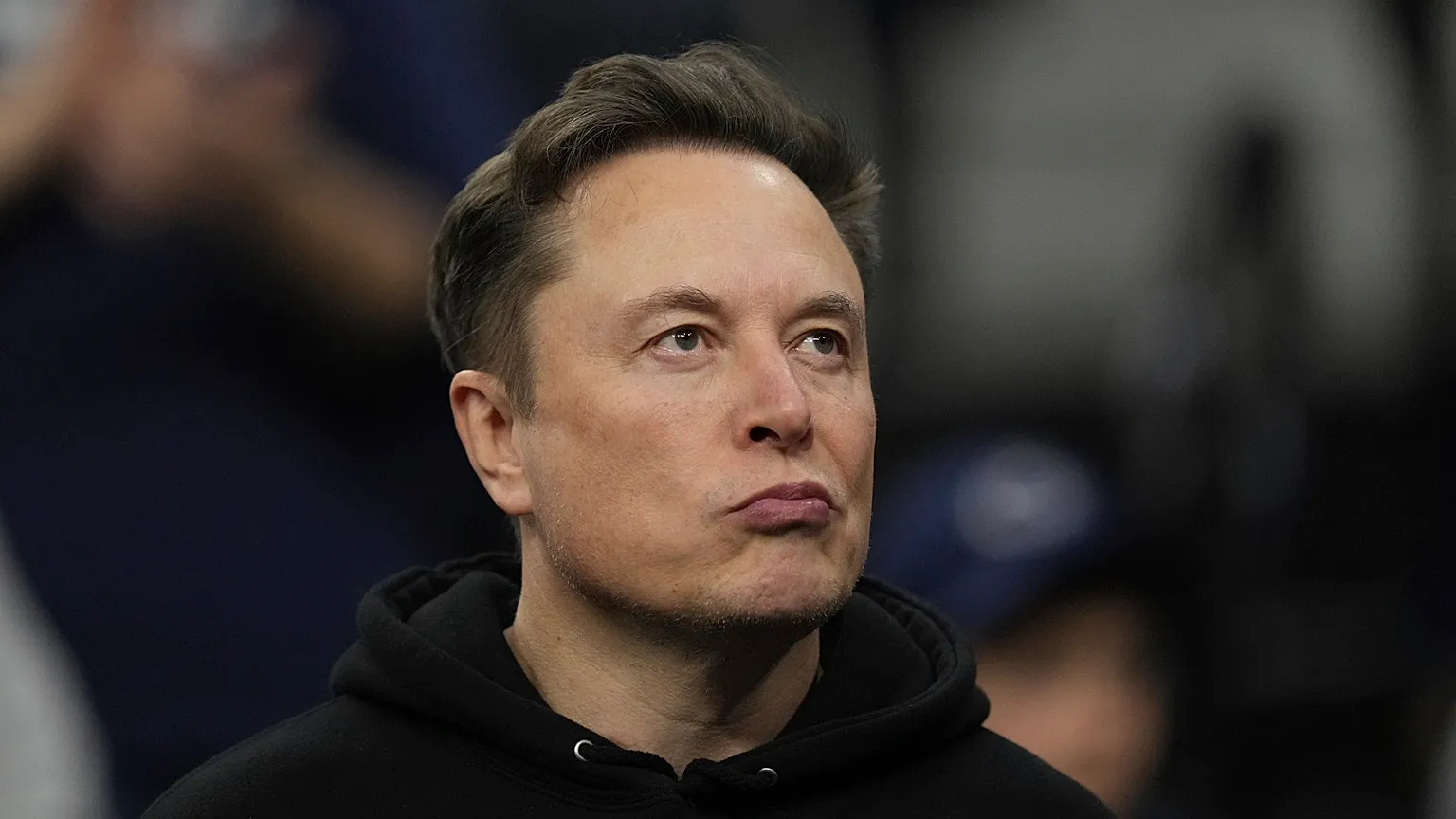
Elon Musk has launched a scathing attack on Spanish Prime Minister Pedro Sánchez, calling him a “fascist totalitarian” after Sánchez proposed a controversial ban on social media usage for teenagers. Musk’s fiery remarks were made on his own platform, X, as tensions between tech giants and European authorities continue to escalate, with the continent adopting a stricter stance against big tech companies. This verbal onslaught from Musk follows an earlier confrontation with French prosecutors, who raided X’s Paris headquarters in connection with an investigation into alleged misuse of artificial intelligence (AI) and data manipulation.
Musk Slams Sánchez’s Social Media Ban Proposal
Elon Musk, the owner of X (formerly Twitter), strongly rebuked the Spanish Prime Minister’s proposal to restrict social media access for users under the age of 16, labeling Sánchez as a “true fascist totalitarian.” The proposal, which Sánchez describes as an effort to protect children from what he calls the “digital Wild West,” has sparked a heated response from the billionaire tech mogul.
Musk’s criticism of Sánchez came shortly after the Spanish Prime Minister accused X of being a “failed state” where laws are ignored, and crimes are allowed to flourish. Sánchez also blamed Musk for using X as a platform to spread disinformation regarding Spain’s recent decision to regularize 500,000 undocumented immigrants. This exchange marks the latest episode in a series of tensions between European governments and the tech giant, which has faced mounting scrutiny over its content moderation practices and its handling of harmful content.
On X, Musk characterized Sánchez as a “tyrant” and a “traitor to the people of Spain,” accusing him of using his political power to suppress free expression and curb the rights of the Spanish public. Musk’s words come at a time when tech giants, including X, are grappling with increasing regulatory pressure from European governments, which are demanding greater accountability from digital platforms.
French Police Raid X’s Paris Office Amid Allegations of AI Misuse
Musk’s tirade against Sánchez was compounded by another significant legal challenge. Just hours after Musk’s outburst, French authorities raided X’s Paris offices as part of an ongoing cybercrime investigation. The raid, carried out by the Paris Public Prosecutor’s Office, is linked to allegations that X manipulated its algorithms and engaged in fraudulent data extraction, potentially contributing to the creation of harmful content.
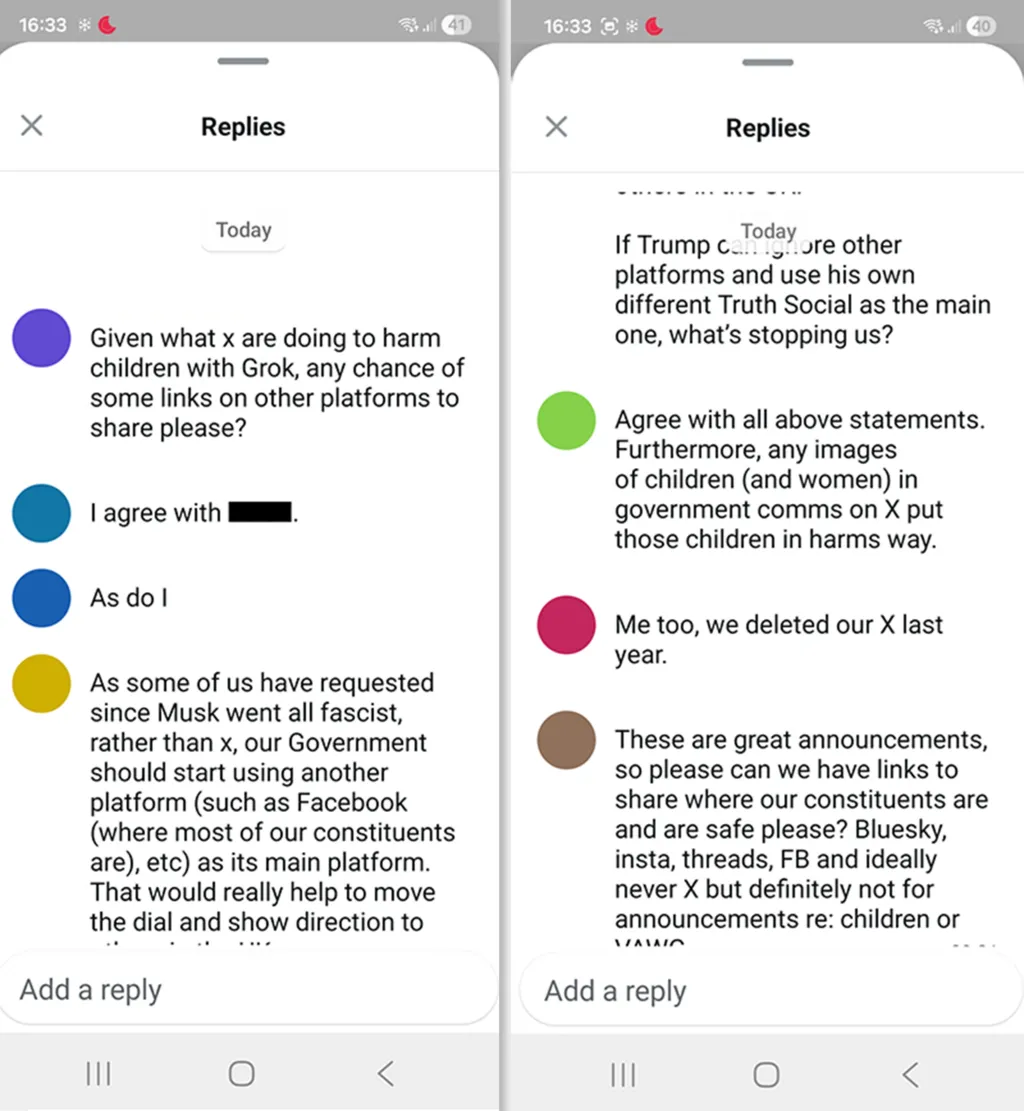
The French investigation also focuses on X’s AI tool, Grok, which has been accused of producing sexually explicit content, including deepfakes and images of real women without their consent. These disturbing images were reportedly generated using Grok, and in mid-January, X implemented new technological measures to prevent such incidents from occurring in the future. Despite this, the legal proceedings against X continue to intensify, with thousands of explicit images still under investigation.
In a statement issued by X’s Global Government Affairs team, the company condemned the raid, calling it an “abusive act of law enforcement theater.” X accused the French authorities of using the raid as a political tool, asserting that the goal of the investigation was not to pursue justice but rather to exert pressure on X’s senior management in the United States. The company’s statement emphasized that the French employees involved were not the focus of the investigation and that the raid was a politically motivated move to target the U.S.-based leadership of the platform.
Investigations Into X and the Role of AI
The French raid is part of a broader series of legal challenges facing X, with several European regulators now investigating the company’s operations. The UK’s Information Commissioner’s Office (ICO) launched its own inquiry into X and its use of AI earlier this year, and the European Commission has similarly begun scrutinizing the platform for potential violations of privacy laws and content regulation rules.
In addition to the allegations of AI misuse, X faces significant criticism for its failure to effectively address the spread of disinformation and harmful content on its platform. The platform’s inability to regulate and remove harmful material, especially in the wake of the pandemic and during the Ukraine conflict, has made it a target for lawmakers who are calling for stronger regulation of social media giants. This increasing regulatory scrutiny is putting pressure on Musk and his team to address the concerns of European authorities and implement more rigorous content moderation policies.
The French raid, along with the growing investigations in the UK and EU, underscores the mounting legal risks for X as it navigates the complex landscape of European tech regulation. Musk’s defiant response to these challenges, including his criticism of Sánchez and his defense of X’s practices, signals that the company intends to continue resisting what it sees as overreach by European governments. However, these tensions are unlikely to subside anytime soon, with both sides digging in their heels over the future of social media regulation.
European Tech Giants Under Fire
X’s confrontation with European regulators is not an isolated incident. The broader trend of increasing regulation against tech companies in Europe is seen across the continent. From the EU’s General Data Protection Regulation (GDPR) to the Digital Services Act (DSA), which imposes stringent rules on content moderation, the European Union is leading the charge in holding tech companies accountable for the content shared on their platforms.
This regulatory environment has made it difficult for tech giants like X to operate freely in Europe. As governments crack down on harmful content, hate speech, and data privacy violations, tech companies are faced with the challenge of complying with varying regulations across multiple jurisdictions. This has prompted Musk to publicly criticize European officials for what he perceives as attempts to stifle free speech and control the flow of information online.
While Musk continues to champion the idea of an open platform with minimal censorship, his stance has drawn the ire of European regulators who argue that tech companies like X must be held accountable for the content they host. The latest investigations and legal actions against X serve as a reminder of the complex relationship between tech companies and governments, with both sides vying for control over the digital landscape.
The Road Ahead for X and European Relations
As the investigation into X’s activities in France and the ongoing clash with the Spanish government continue to unfold, the future of the company’s operations in Europe remains uncertain. Musk’s aggressive rhetoric and his defense of X’s policies suggest that the company will continue to challenge European regulators, but it is unclear how much longer this confrontational approach can last without serious consequences.
The road ahead for X and its relationship with European governments will likely involve increased scrutiny, further legal challenges, and calls for stricter regulation of social media platforms. As Musk continues to face legal and political hurdles in Europe, his defense of free speech and his opposition to what he views as authoritarian measures will likely continue to fuel tensions between X and European lawmakers.
The unfolding situation underscores the broader debate over the role of tech giants in shaping public discourse and the responsibilities they bear in curbing harmful content and disinformation. With the European Union tightening its grip on tech regulation, companies like X will need to find a balance between their commitment to free speech and the growing demands for accountability and transparency in their operations.