Global markets reacted sharply as Hormuz Strait deals emerged between Iran and several countries seeking safe passage through the critical shipping route. The agreements came just as Donald Trump warned he could take decisive military action if Tehran failed to reopen the strait within hours.
The situation has intensified tensions across global energy markets. However, these Hormuz Strait deals now signal a shift toward diplomacy, even as threats of escalation continue.
Hormuz Strait deals reshape global shipping routes
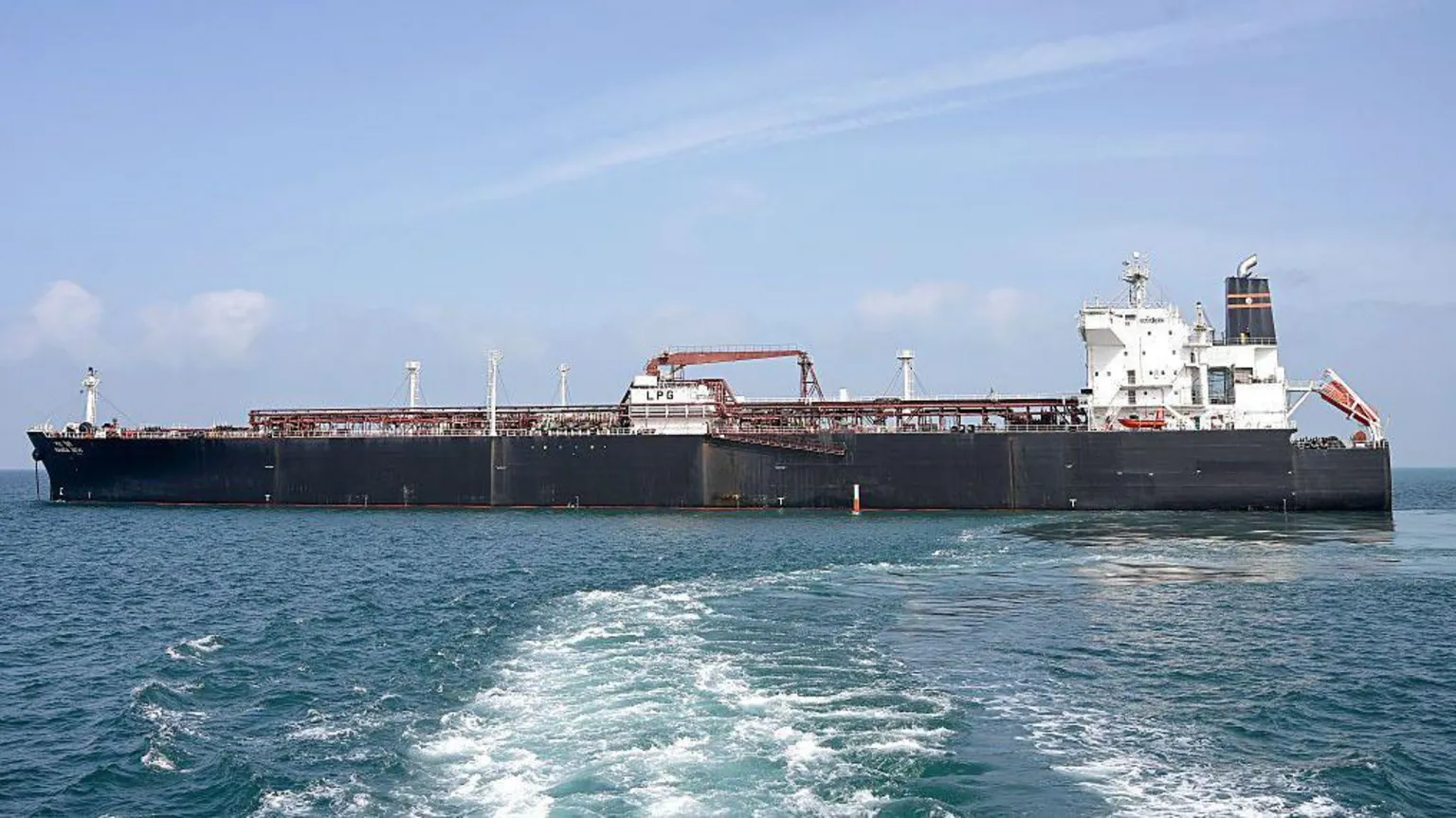
The narrow Strait of Hormuz remains one of the most strategic waterways in the world. Nearly a fifth of global energy shipments passes through it. As a result, any disruption creates immediate ripple effects across economies.
Following recent military strikes involving the United States and Israel, Iran warned it could target vessels using the route. Consequently, oil prices surged, and shipping firms began reassessing risks.
In response, several countries moved quickly to secure Hormuz Strait deals. These agreements allow certain vessels to pass safely despite the tensions.
Asian nations lead Hormuz Strait deals diplomacy
Asian economies depend heavily on Gulf energy supplies. Therefore, they have taken the lead in negotiating access with Tehran.
The Philippines recently secured assurances for its vessels. Foreign Affairs Secretary Theresa Lazaro confirmed that Iranian authorities promised safe and uninterrupted passage.
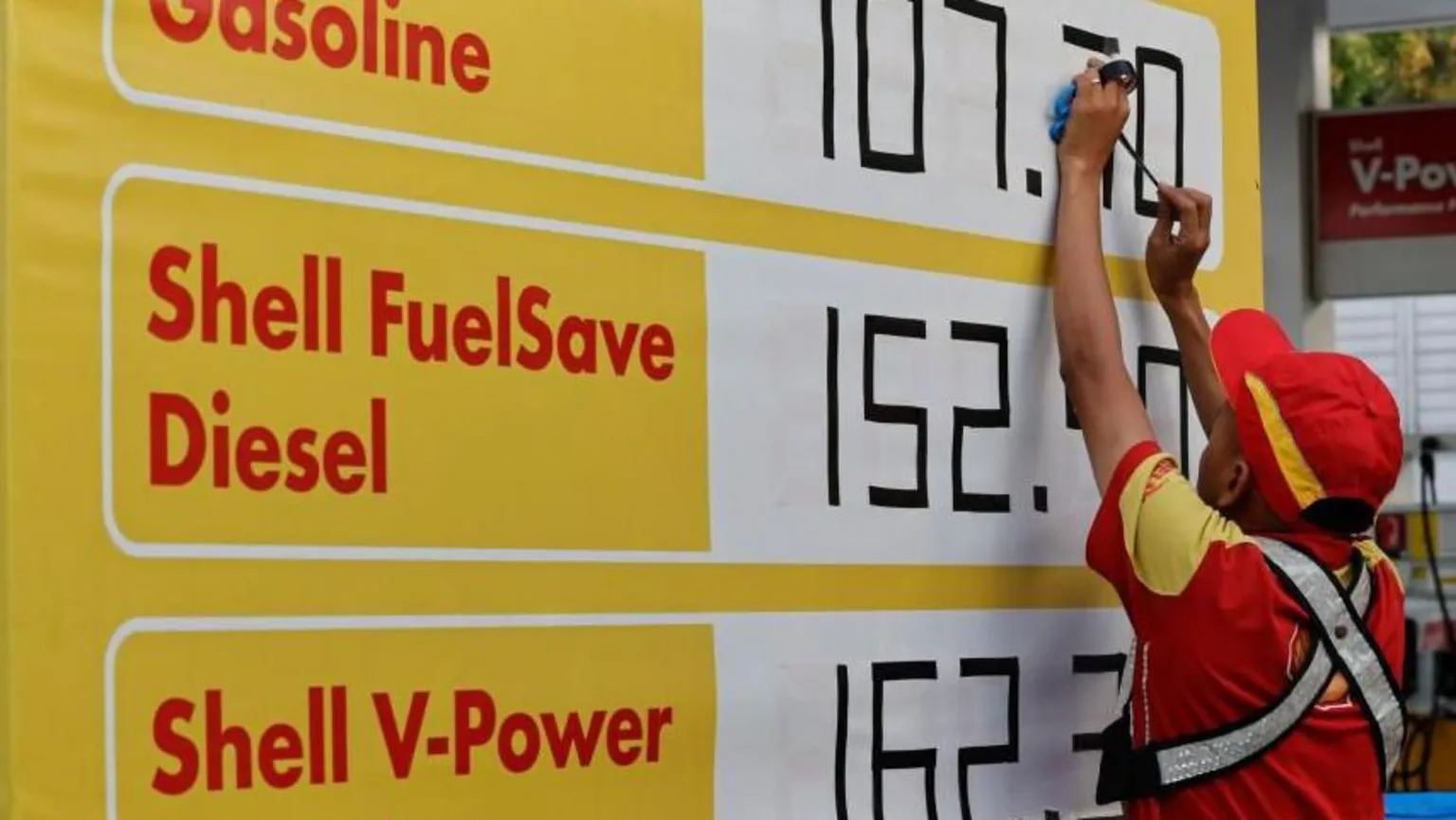
The agreement followed direct diplomatic engagement. Importantly, it came as the Philippines faced an energy emergency due to soaring fuel costs.
Read Also
US Gas Prices Hit $4 Amid Iran War
Pakistan and India also secured similar assurances. Pakistani Foreign Minister Ishaq Dar described Iran’s move as constructive and emphasized diplomacy as the best path forward.
Read Also
Korean Air Emergency Mode Amid Fuel Price Surge
Meanwhile, India’s External Affairs Minister Subrahmanyam Jaishankar credited sustained diplomatic efforts for ensuring safe passage of Indian tankers.
China, the largest buyer of Iranian oil, confirmed that several of its ships had already passed through the strait. This highlights how Hormuz Strait deals are reshaping global trade flows.
Read Also
Nvidia DLSS 5 Backlash Over AI Game Graphics
Uncertainty surrounds Hormuz Strait deals scope
Despite these developments, many questions remain. Analysts still do not know whether these Hormuz Strait deals apply broadly or only to specific vessels.
Shipping expert Dimitris Maniatis from Marisks noted that the scope remains unclear. For instance, it is uncertain whether guarantees cover all ships under a national flag or only selected vessels.
Energy economist Roc Shi from the University of Technology Sydney added that countries now recognize the need to engage Iran directly. Without such engagement, energy shipments could remain stalled.
Read Also
Trump China Visit Delay Amid Iran War Escalation
Energy markets react as risks remain high
Oil prices remain volatile due to uncertainty in the region. Even with Hormuz deals in place, traders continue to factor in the risk of disruption.
Malaysia also confirmed that some of its tankers received clearance from Iran. Prime Minister Anwar Ibrahim acknowledged Tehran’s role in facilitating safe passage.
Read Also
Sri Lanka Fuel Crisis Triggers Weekly Holiday
However, officials have not clarified whether all Malaysian vessels will receive the same treatment. This uncertainty continues to influence global energy pricing.
Future of Hormuz Strait deals remains uncertain
While Hormuz Strait deals mark a diplomatic breakthrough, their durability remains in question. Military operations in the region could quickly undermine these arrangements.
Additionally, some countries may attempt to reflag ships under nations with existing agreements. This could create new complexities in global shipping regulations.
Read Also
Oil Prices Drop After Trump Signals Iran War May End
For now, the agreements offer a fragile balance. They allow energy flows to continue while diplomacy attempts to keep tensions from escalating further.