

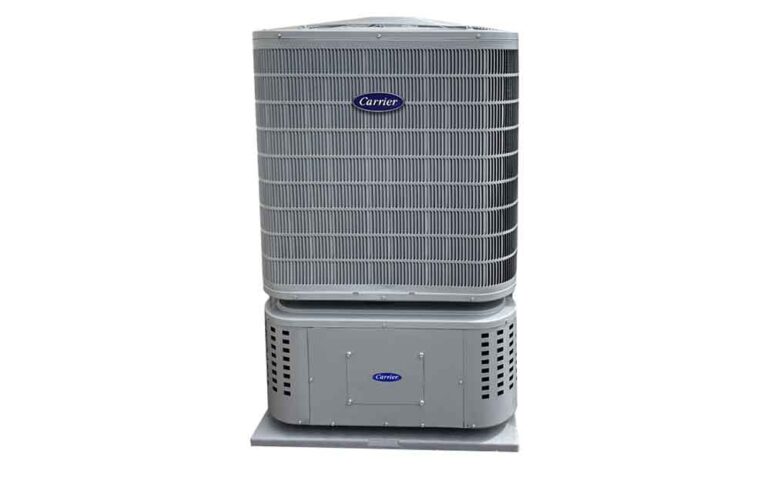
NEW YORK — Carrier Global Corp. has embarked on the largest field trial in its 123-year history, testing battery-enabled HVAC systems across the United States in a move that could transform residential energy management.
In partnership with multiple utilities and the Electric Power Research Institute (EPRI), Carrier is deploying trials with select homeowners in diverse climates to evaluate how HVAC systems paired with battery storage can shift energy loads, enhance demand response, and cut emissions.
Turning Homes Into Grid Resources
The project focuses on pairing high-efficiency variable speed heat pumps with batteries, enabling HVAC systems to transition from passive energy consumers into active grid resources.
Key functions being tested include:
- Load shifting: storing energy during off-peak hours and deploying it during peak demand.
- Cooling resilience: maintaining comfort during periods of high grid stress.
- Renewable integration: aligning battery charging with periods of strong renewable generation.
- Flexible load support: providing utilities with capacity to manage demand and delay costly grid upgrades.
A Nationwide Energy Opportunity
Carrier estimates its 30 million installed residential HVAC units could represent 100GW of potential flexible load—over 10% of U.S. peak demand. If successful, the trial could help utilities stabilize the grid, support renewable adoption, and reduce infrastructure investment costs.
Strategic Implications
The initiative aligns with Carrier’s push to position itself not just as a manufacturer of HVAC systems but as a climate technology leader. With utilities under pressure to expand clean energy capacity and manage rising demand, Carrier’s Home Energy Management System (HEMS) could emerge as a cornerstone of next-generation energy-smart homes.
By validating HVAC battery systems at scale, Carrier is betting on a future where home comfort technology doubles as grid infrastructure, creating new value for utilities, consumers, and the broader energy transition.


