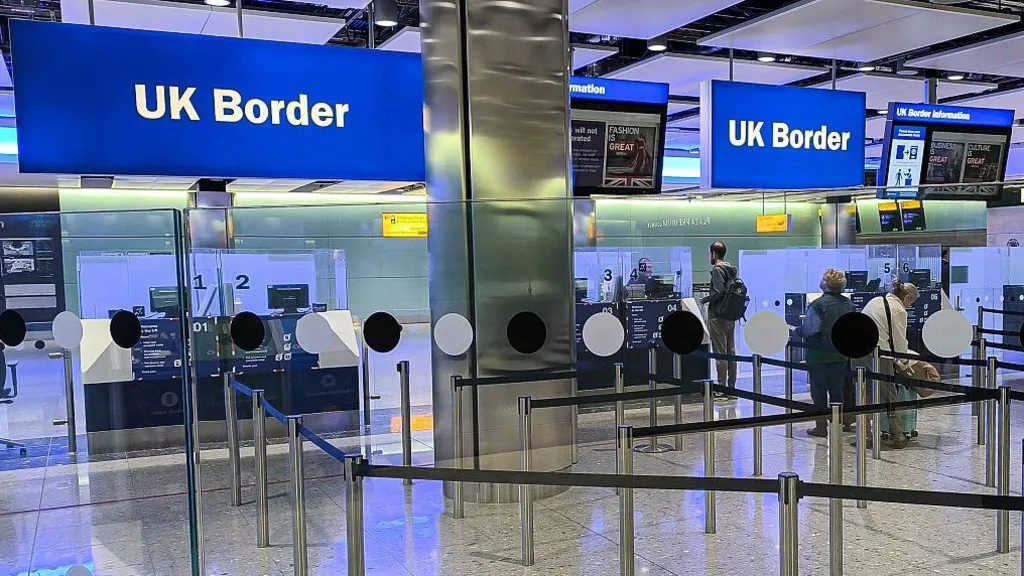
The Office for National Statistics (ONS) has significantly revised the UK net migration figure for 2024. Its new data shows a number 20% lower than first estimated. The revision lowers the official count by 86,000 people to a new total of 345,000. This change primarily reflects new data showing that more British nationals left the UK than officials initially recorded.
The ONS has overhauled its migration measurement system since 2020. It now uses tax and benefits records instead of pre-pandemic passenger surveys. This new method provides a more dynamic and accurate picture of population movement. While the latest UK net migration figure is lower, the data also shows a higher post-pandemic peak. Migration reached 944,000 between April 2022 and March 2023.
Why the UK Net Migration Figures Changed
The dramatic revision stems from a fundamental change in the ONS’s methods. The old system relied on interviewing a small number of passengers at borders. This approach produced “implausibly low” figures for British nationals leaving the country.
The New ONS Measurement Method
The new methodology uses administrative data. Statisticians now track how often individuals appear in payroll and welfare records. If a person consistently disappears from these datasets, the system counts them as an emigrant. This method revealed much higher British citizen emigration.
- Key Finding: The ONS now estimates that 257,000 British nationals left the UK in 2024, while only 143,000 returned. This creates a net emigration of Britons of 114,000. The initial estimate was just 17,000.
However, experts like Dr. Madeleine Sumption of the Migration Observatory warn that this method is “still not final.” It could miscount people who stop working and live on savings, incorrectly labeling them as emigrants.
Political Reactions to the Revised Migration Data
The revised UK net migration numbers have ignited a political debate. The record-high peak occurred under the previous Conservative government.
Conservative Party Response
Tory leader Kemi Badenoch faced questions about the 2022-23 peak. She acknowledged that “immigration was too high.” and stated, “Once those figures came out we actually put in quite a few measures to bring immigration down.” She attributed the high numbers to bureaucrats managing the borders against the public’s will after the EU referendum.
Labour Government’s Stance and Plans
The current Labour government has pledged to reduce numbers. They argue that high migration “reduces the incentives for businesses to train locally.” Prime Minister Sir Keir Starmer has announced measures to lower UK net migration “significantly” over four years. These proposals include:
- Banning overseas recruitment of care workers.
- Tightening access to skilled worker visas.
- Raising costs for employers hiring from abroad.
Home Secretary Shabana Mahmood also recently announced sweeping asylum system changes. She described the current system as “out of control and unfair.”
What Drove the Recent Migration Peaks?
Policy decisions from 2021 onwards largely drove the earlier migration surges. Critics highlight three primary factors:
- Work Visas: A major increase in the health and social care sectors.
- Student Visas: A rise in international students at UK universities.
- Humanitarian Routes: Legal pathways for people from Ukraine, Hong Kong, and Afghanistan.
The former government under Rishi Sunak introduced restrictions on students and care workers bringing dependents. The ongoing challenge of small boat crossings adds another layer to the UK’s complex migration landscape. Over 39,000 people have arrived this way so far this year.
The Bigger Picture: Long-Term Trends
The new ONS figures show little change to the total UK net migration between 2021 and 2024. The cumulative figure adjusted down slightly from 2.6 million to 2.5 million. This means the overall scale of migration remains substantial. The data refinement helps ensure that policy and public debate use the most accurate statistics available.