

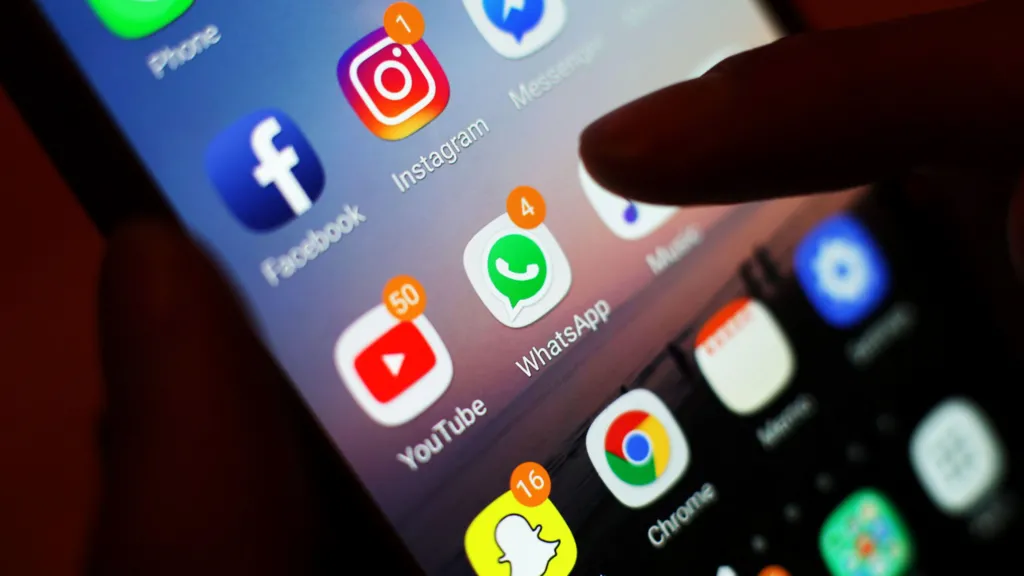
The House of Lords has given its backing to a proposal to ban social media access for under-16s in the UK, with a significant vote of 261 to 150. The proposal, which was introduced as an amendment to the government’s schools bill, has sparked political debate and could set the stage for a challenging vote in the House of Commons.
Growing Support for the Ban
The vote in the House of Lords highlights a growing momentum in favor of a social media ban for under-16s. This move comes in the wake of Australia’s decision last month to impose similar restrictions on children under 16 from accessing 10 major social media platforms. The idea has gained traction in the UK, with more than 60 Labour MPs recently joining Conservative Party members in calling for a similar approach.
However, the government has indicated that it will try to overturn the amendment in the Commons. A consultation on a potential ban is also underway, but this vote could present a challenge for ministers, as some Labour MPs are in favor of a ban, aligning with the Lords’ position.
Details of the Amendment
Under the amendment approved by the House of Lords, the government would have one year to determine which social media platforms should be inaccessible to children under 16. The amendment would require companies to implement “highly effective” age verification methods to prevent underage users from accessing the platforms. The proposal was supported by Conservative, Liberal Democrat, and crossbench peers, along with two Labour peers.
Former Tory schools minister Lord Nash, a key supporter of the amendment, described children’s use of social media as a “societal catastrophe.” He argued that the ban would provide teenagers with a few extra years to mature before engaging with the platforms. He also pointed to overwhelming evidence linking teenage social media use to mental health issues, online radicalization, and disruptive behavior in classrooms.
Opposition to the Ban
While the proposal has garnered significant support, it has also faced criticism from various campaigners and children’s charities. Some have argued that a complete ban could have unintended negative consequences, such as pushing teenagers towards less regulated platforms. Labour peer Lord Knight of Weymouth expressed concern that a blanket ban could deprive children of the positive aspects of social media and suggested a more nuanced approach, including listening to young people during the government’s consultation.
The NSPCC and other campaign groups have also voiced concerns, calling for stronger enforcement of existing child safety regulations instead of a full ban. They worry that the blanket approach could limit the benefits of social media, which can serve as an educational tool and a means of social connection for young people.
Government’s Position and Future Consultations
The UK government has not embraced the Lords’ amendment, with Sir Keir Starmer’s spokesperson confirming that Labour does not support the proposal. “This is an extremely complex issue,” the spokesperson said. “We believe the right thing to do is to gather the necessary evidence and insight before changing the law.”
The government’s ongoing consultation, which is set to run for three months, will assess the pros and cons of a ban for under-16s, as well as other measures, such as overnight curfews and actions to curb “doom-scrolling.” It will also explore whether social media companies can implement more robust age verification systems and whether they should be forced to remove or limit features that drive compulsive use.
The Liberal Democrats, who backed Lord Nash’s amendment, have urged the government to present a concrete, workable plan to tackle the issue of children’s social media use.
Conclusion
The debate over the potential ban on under-16s using social media in the UK is heating up. While there is growing support for the measure, especially in light of Australia’s similar action, the government remains cautious, opting to conduct a thorough consultation before making any final decisions. As the discussion continues, it’s clear that finding a balance between protecting children online and allowing them the benefits of social media will be a complex challenge that requires careful consideration.


