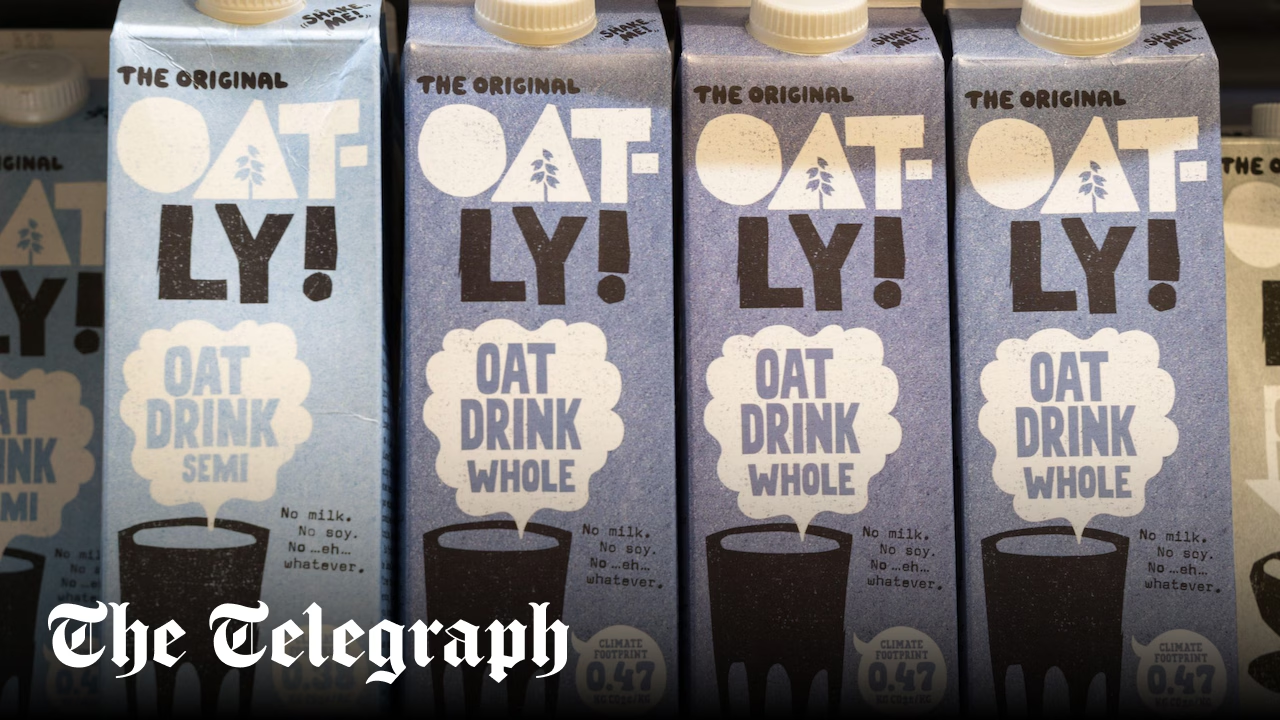
Oatly, the Swedish plant-based drinks manufacturer, can no longer use the word “milk” to market its products in the UK. The UK Supreme Court issued the ruling after Oatly’s long-running legal battle with the trade association Dairy UK. This marks a setback for Oatly’s branding strategy, which has previously used terms like “Post Milk Generation” to promote its oat-based drinks.
Supreme Court Ruling: A Blow for Oatly
The Supreme Court’s unanimous decision blocks Oatly from using “milk” or related terms in its marketing. Oatly had sought to trademark the phrase “Post Milk Generation,” arguing that it was not a descriptive term. However, the court disagreed, stating that “milk” is a legally defined dairy product, derived from animals.
Oatly had initially filed for the “Post Milk Generation” trademark in 2019, which the UK Intellectual Property Office approved in 2021. After Dairy UK contested the trademark, Oatly appealed, winning in 2023. However, the Court of Appeal overturned the decision, leading to the final ruling by the Supreme Court.
Impact on the Plant-Based Industry
The ruling extends beyond Oatly and could affect other plant-based drink producers in the UK and Europe. The court’s decision on the use of “milk” could prompt similar challenges from trade bodies in other countries. The case establishes how UK regulators and courts will handle branding for terms traditionally linked to dairy products.
Legal Implications for Plant-Based Producers
Experts now advise plant-based companies to avoid using terms like “milk,” “cream,” or “butter” in their branding. Richard May, a partner at Osborne Clarke, noted that UK regulators are likely to take a strict approach to terms borrowed from other industries. He suggested plant-based producers use alternative terms like “oat drink” or “plant-based drink” to avoid legal complications.
This ruling highlights the challenge for businesses trying to innovate within legal constraints. Companies should prepare for increased scrutiny as regulators focus on brands that use legally defined product names.
Oatly’s trademark challenges may also extend to other European countries, as similar trade associations may dispute its trademark registrations in those regions.
Previous Trademark Infringement Case
This ruling follows a trademark infringement case in 2021, where Oatly sued Glebe Farm Foods for using the name “PureOaty.” Oatly argued that the name was too similar to its own brand. The case underscores the highly regulated environment in which plant-based producers are operating.
The Supreme Court’s decision on Oatly’s use of “milk” now sets a crucial precedent for the plant-based sector. As the market for plant-based products continues to grow, the ruling will shape how companies brand their products in the UK and beyond.