The largest auto dealer in the United States, Lithia Motors, is not currently interested in bringing Chinese car brands into its domestic showrooms, despite a growing presence of Chinese automakers in global markets. The company’s CEO, Bryan DeBoer, explained the reasons for this decision during a recent investor call, noting that while the company has seen success with Chinese brands in the United Kingdom, the situation in the U.S. is quite different due to regulatory challenges and infrastructure requirements.
DeBoer stated that Lithia has opened several stores in the U.K. selling vehicles from Chinese companies, including Chery Automobile, which has seen notable growth in Europe. Despite this success abroad, he made it clear that bringing these vehicles into the U.S. market is not currently feasible due to cost concerns, the required return on investment, and the complexity of establishing the necessary infrastructure to support new brands under U.S. franchise laws.
The Challenge of U.S. Franchise Laws and Infrastructure
DeBoer outlined the primary factors contributing to the decision not to pursue Chinese car brands in the U.S. market at this time. A key issue is the strict franchise laws in the U.S. that regulate how dealerships can operate. Lithia, which has grown exponentially in recent years, would face significant challenges in navigating these regulations. In contrast, in the U.K., Lithia can offer competing brands within the same showroom, significantly reducing the cost of entering new markets and expanding its offerings. In the U.S., however, such flexibility is limited by the “dueling franchise” rules, which require distinct franchises for each brand, leading to much higher costs and logistical challenges.
As an example, DeBoer explained that Lithia was able to introduce Chery vehicles into its existing U.K. showrooms with minimal investment—less than $100,000 per store. However, applying a similar strategy in the U.S. would require entirely new locations and service operations, which would involve substantial upfront investment. This high cost is especially concerning given that much of Lithia’s profits—approximately 50% to 60%—come from after-sales services such as parts and maintenance.
Potential Costs and Return on Investment
Lithia’s decision to stay cautious about Chinese car brands also stems from the uncertainty surrounding the potential return on investment. DeBoer emphasized that Lithia operates under a model where profitability depends not just on sales, but on the long-term viability of service and parts revenue. Introducing new brands from China would require significant investment in infrastructure, including establishing new service centers and logistics to support vehicle sales. These investments would take time to generate the kind of return that Lithia expects from its established brands, particularly in an already competitive U.S. automotive market.
Furthermore, DeBoer noted that while Chinese car companies have seen impressive growth globally, particularly in Europe and Asia, the U.S. market is more complex, with established players like Ford, General Motors, and Toyota already dominating much of the market share. Lithia would need to invest heavily not just in physical infrastructure, but in marketing and consumer education to overcome the challenges of introducing a new and untested brand into a market that is wary of foreign imports.
Chinese Automakers Expanding Globally
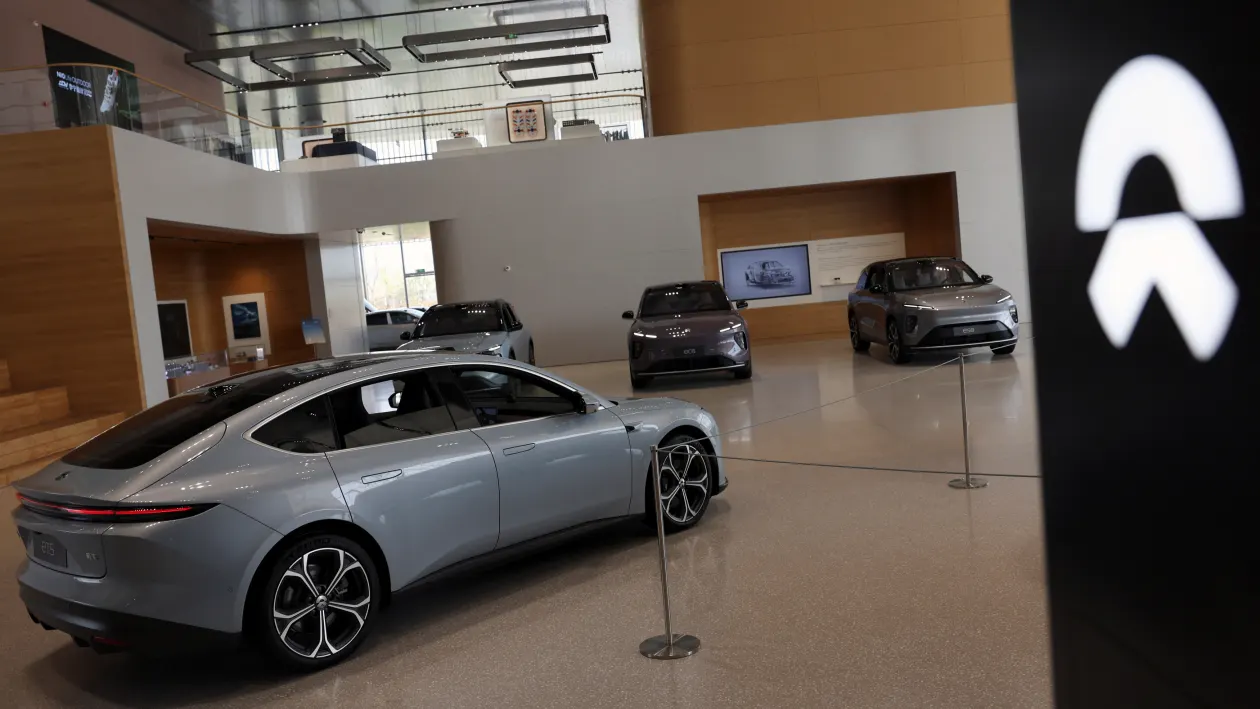
The global automotive market has seen a marked increase in Chinese manufacturers expanding outside of China. Over the last five years, Chinese brands have gained nearly 70% in global market share, with several high-profile automakers such as BYD and Nio eyeing markets in Europe and the U.S. These brands have made significant inroads into European countries, offering a range of electric vehicles (EVs) and positioning themselves as a competitive alternative to established automakers.
One of the most significant moves in this expansion has been China’s recent push into Canada, where 100% tariffs on vehicles from China were lifted amid trade disputes with the Trump administration. This shift has made it easier for Chinese brands to enter the Canadian market, and companies like Nio are already setting up operations in the region. However, the situation in the U.S. remains more challenging, where trade policies and regulatory concerns still present obstacles to the entry of Chinese manufacturers.
Lithia’s Future Relationship with Chinese Brands
Despite these challenges, DeBoer has left the door open to future collaboration with Chinese brands. Lithia, which has seen strong growth in recent years, is continuing to explore relationships with Chinese car manufacturers as they expand globally. DeBoer acknowledged that Lithia is in discussions with several Chinese brands, but the company is proceeding cautiously as it evaluates the potential risks and rewards of entering the U.S. market with these vehicles.
The global automotive industry is shifting, and Lithia recognizes the importance of staying flexible and adapting to new market trends. As Chinese automakers continue to grow their presence in Europe and other international markets, Lithia is keeping an eye on the evolving landscape. However, DeBoer made it clear that the company would not rush into partnerships or investments without carefully considering the implications for its business model and long-term profitability.
“We’re quite excited that we’ve got that opportunity in the U.K., but there’s a big fundamental difference,” DeBoer said, underscoring the contrast between the more flexible franchise laws in the U.K. and the rigid regulations in the U.S. Lithia will continue to monitor the situation as it develops, but DeBoer emphasized that the company’s focus remains on making sound financial decisions that will drive sustainable growth.
The Shift Toward Electric Vehicles and the Future of the Market
Lithia’s hesitance to embrace Chinese car brands also comes at a time when the global automotive industry is undergoing a major shift toward electric vehicles (EVs). The demand for EVs is rising rapidly, particularly in Europe, where stricter emissions regulations are pushing automakers to transition to cleaner technologies. Chinese automakers have capitalized on this trend, with companies like BYD and Nio positioning themselves as leaders in the EV space.
As the EV market continues to expand, Lithia, like other major auto dealers, must navigate the changing landscape. While Chinese brands have yet to make a major impact in the U.S., they are establishing themselves as serious players in Europe and Asia. Lithia will need to adapt its strategy to accommodate the growing demand for EVs and determine whether partnerships with foreign brands, including Chinese automakers, could be part of that future.
While Lithia is not yet ready to dive into the U.S. market with Chinese vehicles, the company’s openness to exploring these relationships suggests that it may eventually shift its stance. As the global automotive market evolves, Lithia’s flexibility and willingness to consider new opportunities will be crucial in determining its long-term position in the industry.