The escalation of the Middle East conflict is sending shockwaves through global energy markets, raising fears that Iran war prices could soon push up household and business costs across the United Kingdom.
Oil and gas markets reacted immediately after American and Israeli strikes on Iran triggered retaliatory attacks across the region. Since the conflict began, global energy costs have climbed sharply, increasing the risk that UK consumers will face higher fuel and electricity bills in the coming months.
Iran War Prices Disrupt Global Energy Supply
The rise in Iran war prices stems largely from the strategic importance of the Persian Gulf. This narrow body of water carries a significant share of the world’s oil and natural gas exports.
Recent Iranian threats against ships traveling through the Strait of Hormuz have created a severe shipping crisis. Many tankers are now unable to obtain insurance coverage for the route, leaving dozens of vessels anchored near the entrance of the passage while awaiting guidance.
The disruption has quickly affected markets. Oil prices have increased by roughly 18 percent since the conflict began, pushing Brent crude toward the $83 per barrel mark. This surge follows months of relatively stable prices driven by global oversupply.
Petrol and Diesel Costs Likely to Rise
Higher energy costs rarely stay confined to global markets. Rising crude prices will eventually translate into increased costs at petrol stations across the UK.
Wholesale petrol prices have already risen by about 2.3 percent, while diesel costs have climbed around 7 percent. These increases typically take time to filter through supply chains, but motorists may soon notice higher prices at the pump.
Gas Prices Could Hit UK Households Hardest
While rising oil prices matter, Iran war prices could have an even greater effect through natural gas markets. Gas plays a central role in Britain’s electricity system and often determines the price of power across the entire energy market.
In the past four days alone, UK wholesale gas prices have more than doubled. The cost has surged above 150 pence per therm, triggering a record spike in electricity wholesale prices.
Although these levels remain below the extreme peaks seen after Russia’s invasion of Ukraine in 2022, the speed of the increase has alarmed analysts.
Ofgem Price Cap Delays Immediate Impact
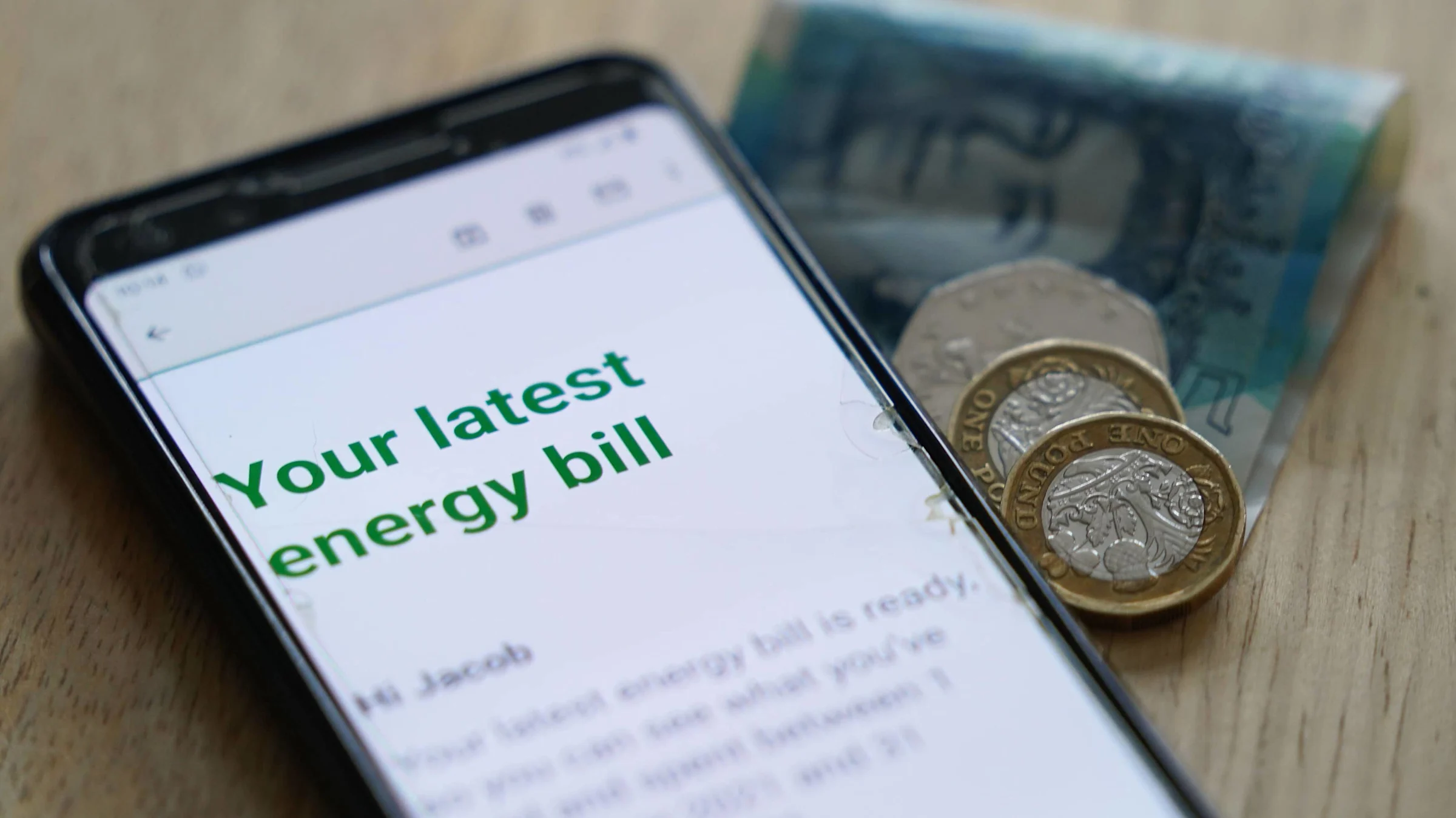
For now, British households will not feel the full effects of the surge. The current energy price cap set by Ofgem runs from April to June and is roughly seven percent lower than today’s wholesale energy prices.
However, the outlook beyond June remains highly uncertain. The regulator bases its price cap on market data collected over the previous three months. That calculation window has just opened and now includes the dramatic price shocks caused by war in the Middle East.
If elevated gas prices persist, the next price cap adjustment could result in higher energy bills for households later in the year.
Businesses Face Immediate Energy Cost Pressure
Unlike households, many businesses lack protection from the price cap system. Industrial users already face some of the highest energy costs in the developed world.
Companies with short-term contracts or spot market exposure may begin experiencing higher energy bills almost immediately. This could push up production costs and eventually raise prices for consumers.
Iran War Prices Revive UK Energy Debate
The surge in Iran war prices has also reignited political debate over Britain’s energy strategy.
Supporters of renewable energy argue that the crisis highlights the risks of relying on fossil fuels and demonstrates the need to accelerate the transition toward renewable power. Expanding wind, solar, and other low-carbon sources could reduce the country’s vulnerability to global fuel shocks.
Critics, however, say the situation exposes the risks of reducing domestic oil and gas production too quickly. Some politicians argue that expanding North Sea drilling could strengthen energy security and reduce dependence on imports.
Conflict Could Shape Global Economy
No one yet knows how long the conflict will last. If tensions ease quickly, energy markets may stabilize and prices could fall back toward earlier levels.
However, a prolonged war could push energy prices even higher, with ripple effects across global economies. For the United Kingdom, that would mean renewed pressure on inflation, household budgets, and economic growth.
Even if the fighting subsides soon, the current surge in Iran war prices shows how quickly geopolitical conflict can reshape economic forecasts and household finances.