

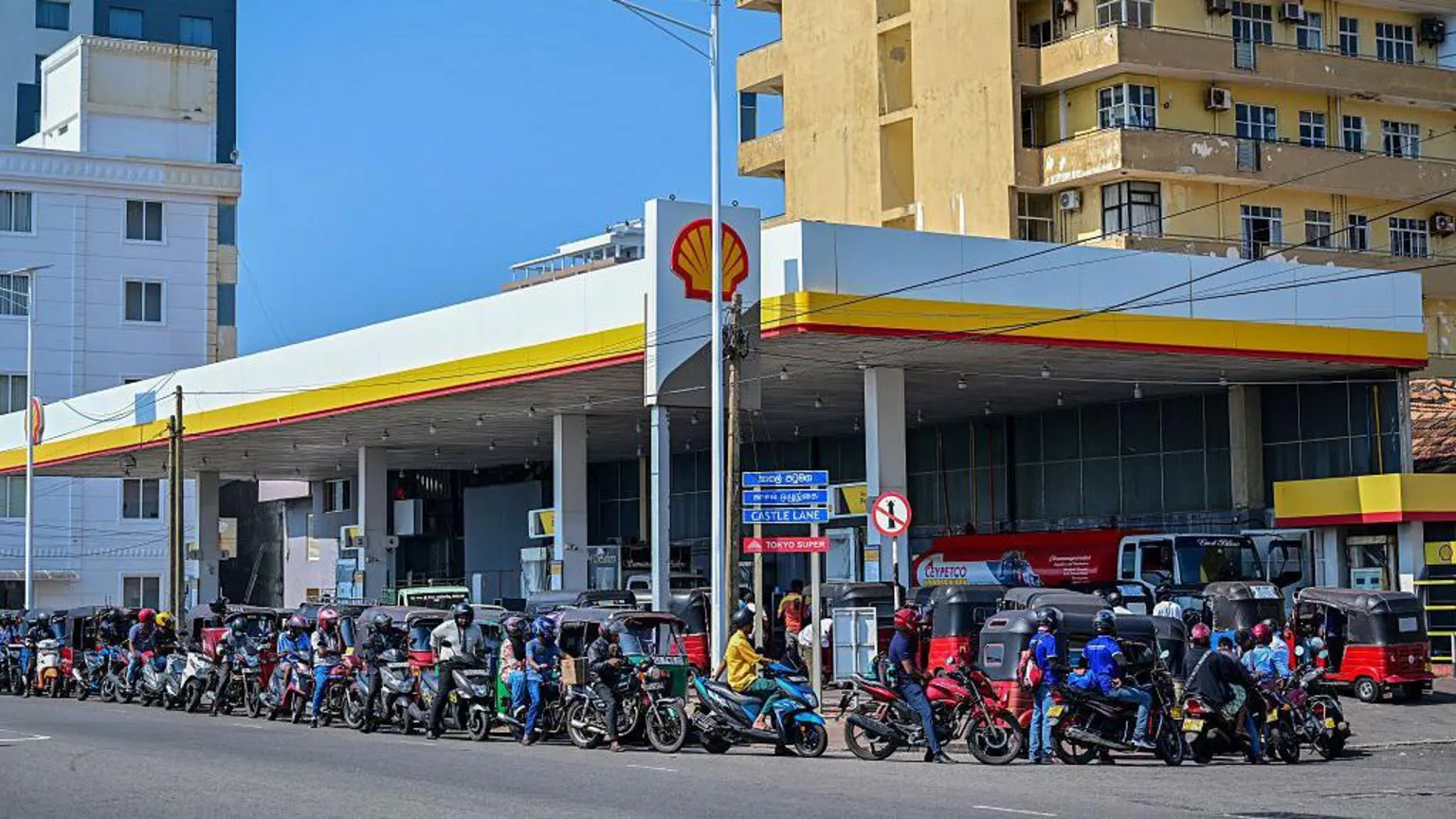
Sri Lanka has introduced a weekly public holiday to manage worsening shortages under the Sri Lanka fuel crisis, as global tensions continue to disrupt energy supplies. The government announced that every Wednesday will now be observed as a non-working day for public institutions in a bid to conserve fuel.
President Anura Kumara Dissanayake made the announcement during an emergency meeting with senior officials. He warned that the country must prepare for a challenging period ahead while remaining hopeful about global developments.
The decision follows rising concerns over fuel availability after escalating conflict involving the United States, Israel, and Iran disrupted critical oil supply routes. Authorities believe that proactive measures will help cushion the country from deeper economic shocks.
Sri Lanka fuel crisis prompts weekly shutdown
Officials confirmed that the new four-day workweek will apply to most public institutions, including schools and universities. However, essential services such as healthcare and immigration will continue to operate without interruption.
Authorities deliberately chose Wednesday instead of Friday to avoid creating a long weekend. This approach ensures that government operations remain partially active throughout the week while still reducing fuel consumption.
The Sri Lanka fuel crisis has forced policymakers to balance economic stability with resource conservation. By reducing commuting days, the government aims to cut fuel usage significantly across the public sector.
Global oil disruption worsens Sri Lanka fuel crisis
The ongoing conflict in the Middle East has severely affected oil supply chains. Notably, the Strait of Hormuz, a critical shipping route, has seen reduced activity due to security concerns.
Nearly 90 percent of oil and gas transported through the strait typically heads to Asia. As a result, countries across the region are feeling the impact of supply disruptions and rising prices.
Oil prices have surged to around $100 per barrel following intensified military activity. Consequently, import-dependent economies like Sri Lanka face mounting pressure to secure sufficient energy supplies.
Asia adopts emergency measures amid energy strain
Across Asia, governments have implemented various strategies to cope with the crisis. These measures aim to reduce consumption and stabilize national economies.
In Thailand, authorities have encouraged citizens to wear lighter clothing to reduce reliance on air conditioning. Meanwhile, Myanmar has introduced a system where private vehicles operate on alternate days.
Bangladesh has taken additional steps by advancing Ramadan holidays for universities. It has also introduced scheduled power outages to conserve energy.
In the Philippines, public sector employees now work remotely at least once a week. Additionally, non-essential government travel has been banned to minimize fuel use. President Ferdinand Marcos Jr has also approved financial assistance for vulnerable groups, including drivers and farmers.
Vietnam has urged citizens to limit travel and rely more on bicycles and public transport. These coordinated efforts highlight the regional scale of the energy challenge.
Economic ripple effects of Sri Lanka fuel crisis
The Sri Lanka fuel crisis continues to expose vulnerabilities in the country’s economic structure. Rising fuel costs have increased the cost of living while straining public finances.
Motorists must now register for a National Fuel Pass, which rations fuel purchases. Private car owners are limited to 15 litres, while motorcycle users receive only five litres.
These restrictions have triggered public dissatisfaction. Many citizens argue that the quotas are insufficient for daily needs, especially for those who rely on transport for income.
The rationing system is not new. It was first introduced in 2022 when Sri Lanka faced its worst economic crisis. At that time, the country ran out of foreign reserves and struggled to import essential goods.
Sri Lanka fuel crisis linked to global oil trends
The broader global energy market continues to influence Sri Lanka’s situation. As oil prices rise, countries that depend heavily on imports face increasing economic pressure.
Read Also
Oil prices drop after Trump signals Iran war may end
Oil supply shock drives global fuel prices higher
Volkswagen job cuts deepen as profits drop
Global economic outlook and policy shifts
Recent fluctuations suggest that geopolitical tensions will continue shaping energy markets. Although some reports indicate possible stabilization, uncertainty remains high.
Sri Lanka’s policy response reflects a broader trend among Asian economies adapting to volatile supply conditions. Governments are increasingly turning to conservation measures to maintain stability.
Public reaction to Sri Lanka fuel crisis measures
Public response to the weekly holiday policy has been mixed. While some citizens support efforts to manage fuel consumption, others worry about reduced productivity and income disruptions.
Businesses that depend on daily operations may face challenges under the new schedule. At the same time, workers may need to adjust routines to accommodate the shortened workweek.
Despite concerns, the government maintains that these measures are necessary. Officials argue that proactive steps will help prevent more severe shortages in the future.
As the Sri Lanka fuel crisis continues, authorities remain focused on managing resources effectively. The situation highlights the interconnected nature of global energy markets and the need for resilient policy responses.
Read Also
Takaichi election win raises stakes for Japan’s economy
Target job cuts signal renewed push to revive US stores
US and India agree on trade deal lowering tariffs and boosting trade


